
The Shift No One Talks About
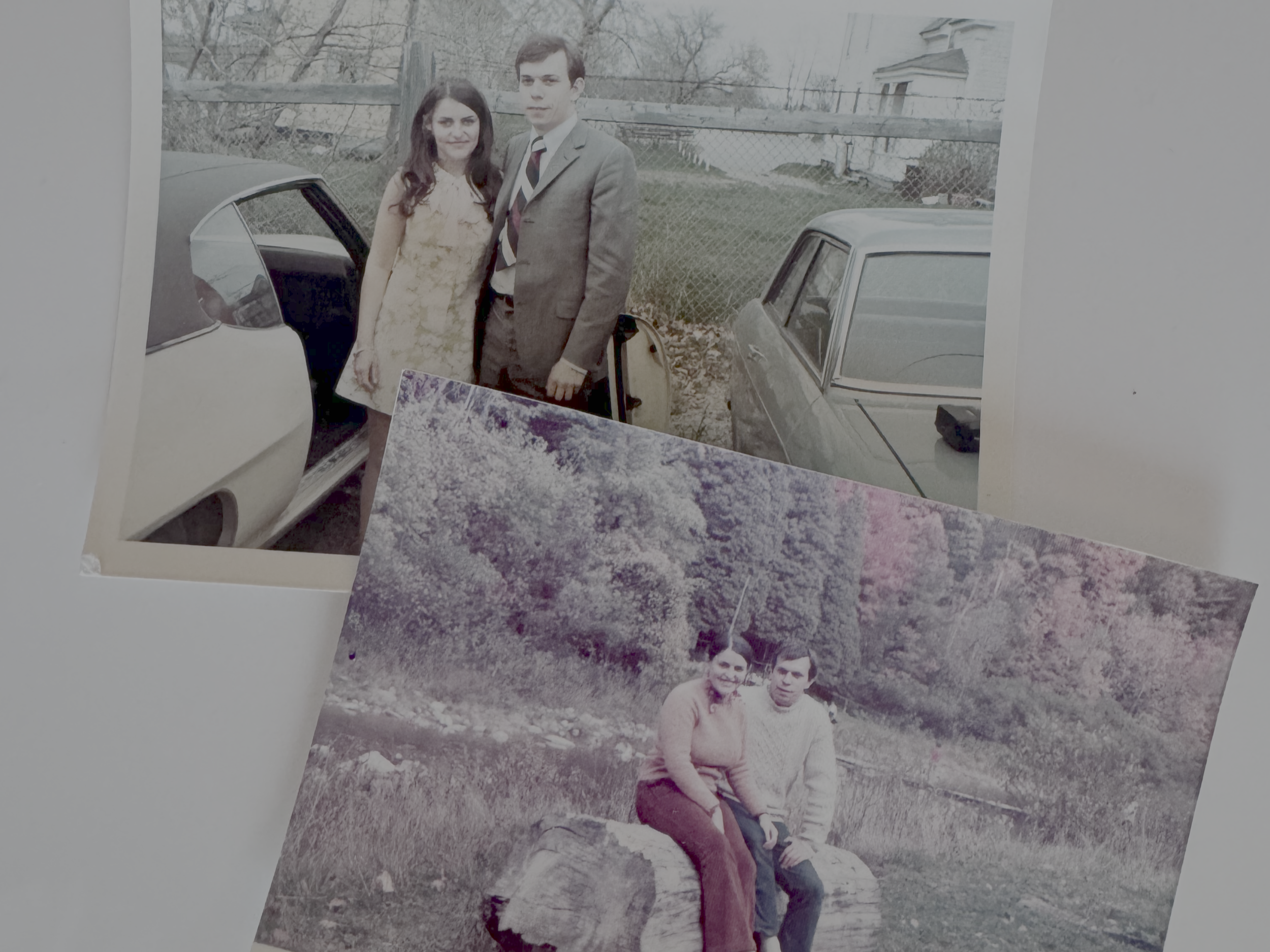
After spending two weeks with my parents during their holiday visit, I came to two very clear realizations.
First, two weeks is simply too long when winter has you housebound, the temperatures are sub-zero, the roads are brutal, and everyone is sharing the same space with no real escape.
Second, and far more confronting, no one really prepares you for how to navigate aging parents.
And to be fair, life doesn’t prepare us for a lot of things, something I’ve come to realize as I’ve gotten older and more seasoned. Basic financial literacy, parenting, menopause, navigating adulthood without a playbook. So much of it is learned on the fly, through experience, trial and error, and a lot of quiet Googling. Why, is my question. Why is that?
Aging parents fall squarely into that category. There’s no manual or orientation, and no moment where someone sits you down and says, this is what this next chapter will feel and look like.
It arrives slowly, through observation and repetition, through noticing things you didn’t used to notice and realizing you can’t unsee them now. Layered with a bit of denial and uncertainty, you are faced with some interesting and heartbreaking realities.
What makes it particularly complex is the emotional layering. You’re trying to be proactive without being controlling (TRYING is the operative word here for me); attentive without being alarmist; and supportive without making anyone feel diminished. Because the truth is, aging parents aren’t just navigating physical change, they’re facing an entire life shift: the growing awareness that independence will look different, and that some decisions can’t be postponed forever.
There’s a vulnerability there that’s hard to ignore. And at the same time, there’s often resistance, stubbornness, and a reluctance to accept help from the very people they raised. Even though they’ve lived this themselves with their own parents, it’s different when the roles begin to shift and it’s happening to them.
That’s where empathy and frustration quietly coexist, and I’m figuring out how to let them sit side by side.
And if all of that wasn’t hard enough to wrap my head around, another layer I didn’t expect is watching my parents move through this stage of life at completely different speeds.
My dad has eased into retirement quietly. He’s slower now, more content with stillness, happy to read, keep his routines simple, and stay active in ways that suit where he’s at. There’s a peace in how he’s chosen to move through this chapter, and honestly, its earned.
My mom, on the other hand, is wired differently. She’s always been busy, always in motion, and slowing down doesn’t come naturally to her. Rest feels uncomfortable, stillness unfamiliar, and letting go of the pace she’s lived at for most of her life feels genuinely hard. I can see how much she’s grappling with that.
What’s difficult to watch is how those differences collide. Not because either of them is wrong, but because they’re navigating retirement with entirely different needs, expectations, and definitions of fulfillment. And sometimes, without realizing it, those expectations land unevenly. Even after 54 years of marriage, you start to really see how different your parents are and quietly wonder how they made it this far. Was it compromise? Love? Habit? Or did they, at some point, just throw their hands up and settle into the comfort and routines that carried them forward?
As I’ve watched them move through this stage of life so differently, I’ve found myself learning how to hold empathy for both. His need for quiet and her discomfort with slowing down.
To some extent, this dynamic isn’t new. My parents have always moved through life at different speeds, and it’s something my brother and I have long been aware of. But watching it play out more starkly now brings a new layer of tension. It’s hard to witness moments where their differing needs rub against each other, especially when rest and stillness, things my dad has earned but also wants, don’t always feel fully understood or respected. That realization sits heavily with me, and I’m still figuring out how to hold it with compassion for everyone involved.
If there is a magic answer, please share it with me.
You understand why they push back but you start to really understand the fear underneath it all. And still, you’re left trying to troubleshoot, mitigate risk, and avoid crisis, all while pretending this isn’t emotionally loaded for everyone involved.
What’s surprised me most is how personal this feels. How much of it stirs up questions about responsibility, timing, and the unspoken understanding that, at some point, this becomes part of your life whether you feel ready or not. You start thinking ahead, maybe further than you want to, and realizing that concern has a way of creeping into places that used to feel uncomplicated.
I’m grateful I’m not carrying this alone. My brother is just as aware, just as invested, and just as concerned. We talk openly about what we’re noticing, what feels manageable, and what might need attention down the road. There’s no tug-of-war, no quiet scorekeeping, no disagreement about whose responsibility this is. We’re on the same page, and that matters more than I can properly articulate. I know how much harder this would be if we weren’t.
There’s also grief here, though it doesn’t announce itself that way. Grief for the version of your parents who felt invincible. For the ease of not noticing. For the assumption that things would stay roughly the same for longer than they do.
I am the first to admit my patience runs thin sometimes, and in some cases, this has become a real test of empathy and restraint that I’ve had to navigate internally. Not because I don’t care, but because caring suddenly comes with a new kind of weight. One that isn’t dramatic or urgent, just constant and quietly present.
And yet, love is threaded through all of it. A deep love. The kind that makes you want to protect without hovering, help without taking over, and stay present even when it’s uncomfortable. It’s a strange balance, learning how to be both the child and, slowly, the steadier one in the room. A quiet form of role reversal, the circle of life in real time. And it doesn’t escape me that one day, Grayson will likely find himself navigating this same terrain with us — older, less capable, and needing him in ways we can’t yet imagine.
I don’t have answers or a tidy takeaway here. I’m still learning what it looks like to hold concern without panic, compassion without control, and honesty without fear. But I do know this: aging parents change you and I’m only in the beginning stages of this. And like so many chapters of adulthood, it’s something you don’t fully understand until you’re already in it.